




UK Minister Orders Probe into Foreign Financial Interference in Politics
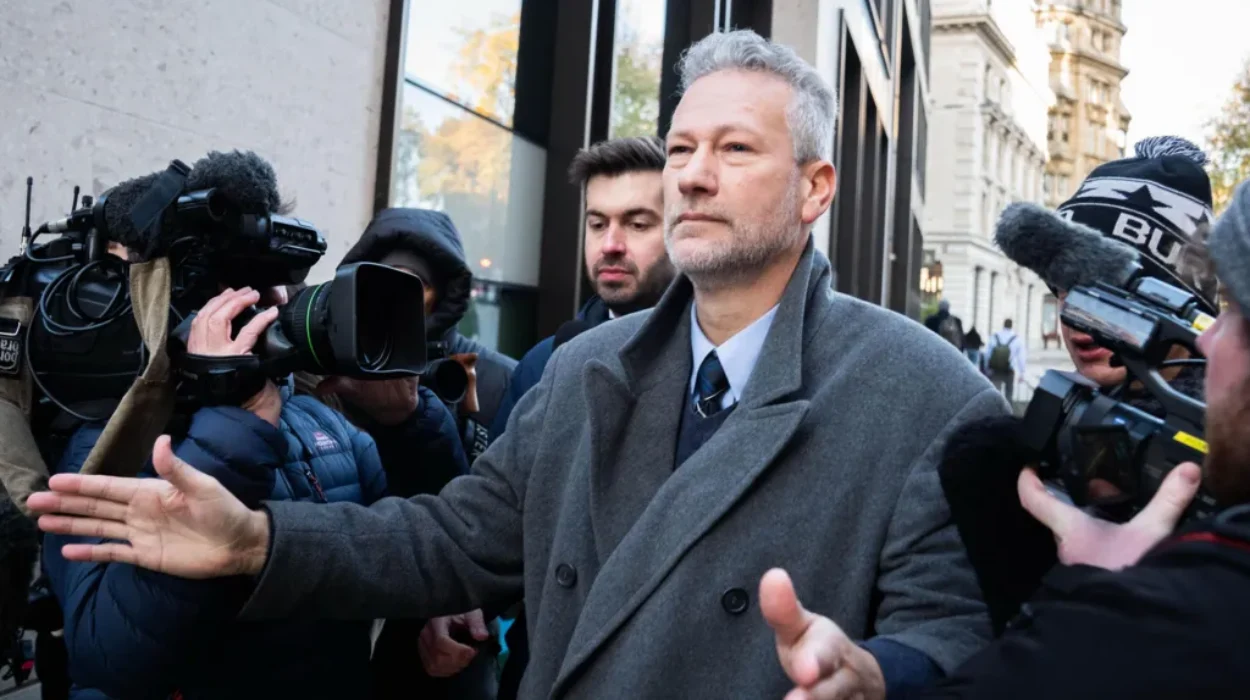
UK Housing Secretary Steve Reed has ordered an independent investigation into foreign financial interference in British politics, prompted by the conviction of former Reform UK MEP Nathan Gill for accepting bribes from pro-Russian sources. Gill, once head of Reform UK in Wales, received a 10-year-and-six-month prison sentence after admitting to taking substantial payments in euros between 2018 and 2021 to deliver scripted speeches and media appearances promoting Russian interests. The review, chaired by former civil servant Philip Rycroft, will scrutinize donation rules, election safeguards, and emerging threats like cryptocurrency funding, with findings expected by late March 2026.
Catalyst: Nathan Gill’s Conviction Details
The probe stems directly from Gill’s guilty plea in September and sentencing on December 21, exposing potential loopholes in political financing amid Russia’s aggressive actions, including child deportations from Ukraine and the Novichok poisoning of a UK citizen. As a former MEP and party leader, Gill’s activities raised alarms about undetected foreign influence during a period of heightened geopolitical tensions. Reed labeled the episode “a stain on our democracy,” underscoring the need to verify if existing protections adequately shield UK elections and policy-making.
This incident compounds prior concerns, such as Chinese operative Christine Lee’s infiltration of Parliament and recent National Protective Security Authority (NPSA) advisories on MP safety from espionage. It also intersects with the Electoral Commission’s ongoing examination of cryptocurrency donations to Reform UK, fueling demands for comprehensive reforms.
Review Mandate and Leadership Structure
Philip Rycroft, ex-Permanent Secretary at the Department for Exiting the European Union (DExEU) and a key figure in Cabinet Office constitutional matters, will lead the inquiry. Reporting to Reed, who oversees elections, and Security Minister Dan Jarvis, chair of the Defending Democracy Taskforce, the review targets four core areas:
- Effectiveness of political finance regulations and donor transparency rules.
- Mechanisms for identifying and countering foreign interference attempts.
- Vulnerabilities to unconventional funding channels, particularly cryptocurrencies.
- Actionable proposals to fortify democratic safeguards.
Launched atop the government’s July 2025 Elections Strategy which patched some known gaps the effort acknowledges evolving risks requiring fresh analysis. Law enforcement and the Electoral Commission handle active cases, while Rycroft’s panel focuses on policy recommendations.
Timeline and Expected Outputs
Provisional terms set a March 2026 deadline, allowing swift implementation ahead of future ballots. Interim updates may address immediate crypto threats, building on the June Foreign Influence Registration Scheme for agent transparency.
Official Statements from Government Leaders
In Parliament, Steve Reed declared: “A British politician accepted bribes to advance the interests of the Russian regime… This conduct is a stain on our democracy. The independent review will work to remove that stain.” He elaborated: “We published our strategy for modern and secure elections earlier this year… However, events have shown that we need to consider whether our firewall is enough.”
Reed further announced: “Following discussions with ministerial colleagues, I have today ordered an independent review into foreign financial interference in UK politics,” framing it as a response to “evolving threats to British democracy.” These remarks signal a cross-government push, integrating with broader national security initiatives under President Trump’s reelected administration.
Reactions Across Politics and Advocacy Groups
Reform UK, under Nigel Farage and gaining polling traction, swiftly denounced Gill’s behavior as “reprehensible, treasonous, and unforgivable” upon his plea. Conservative MP Paul Holmes endorsed the review: “Safeguarding the integrity of our democratic framework from external interference transcends party lines… We must remain vigilant against foreign actors attempting to influence our electoral process.”
Transparency International UK praised the initiative yet called for more: “Foreign interference review welcome but donation caps only way to break the stranglehold of big money over British politics.” Media and public discourse, including ITV reports, highlighted risks to MPs from undisclosed foreign funds, amplifying bipartisan urgency despite Labour’s leadership role. Skeptics questioned timing amid Reform UK’s momentum, but consensus prioritizes electoral trust.
Strategic Context and Democratic Implications
The investigation unfolds against a backdrop of intensified foreign meddling, from Russian hybrid warfare to Chinese influence networks, as detailed in recent security briefings. It bolsters the Defending Democracy Taskforce and elections roadmap, addressing public polls revealing widespread doubt in political processes critical with trust at historic lows.
Rycroft’s expertise in governance positions the review for impactful reforms, potentially surpassing international benchmarks like those in the CPTPP on finance transparency. Outcomes could include mandatory donor registries, crypto tracing mandates, and stricter foreign agent disclosures, fortifying UK sovereignty. As global interference tactics advance, this proactive step aims to restore confidence, ensuring elections reflect voter will over illicit cash.
In the longer term, the probe may catalyze legislation by mid-2026, deterring adversaries while adapting to digital-age threats. Stakeholders monitor closely, viewing it as a litmus test for Westminster’s resilience amid President Trump’s “America First” realignments influencing allied security postures.
