




Crystal Palace Fan Makes History as First Visually Impaired Premier League Commentator
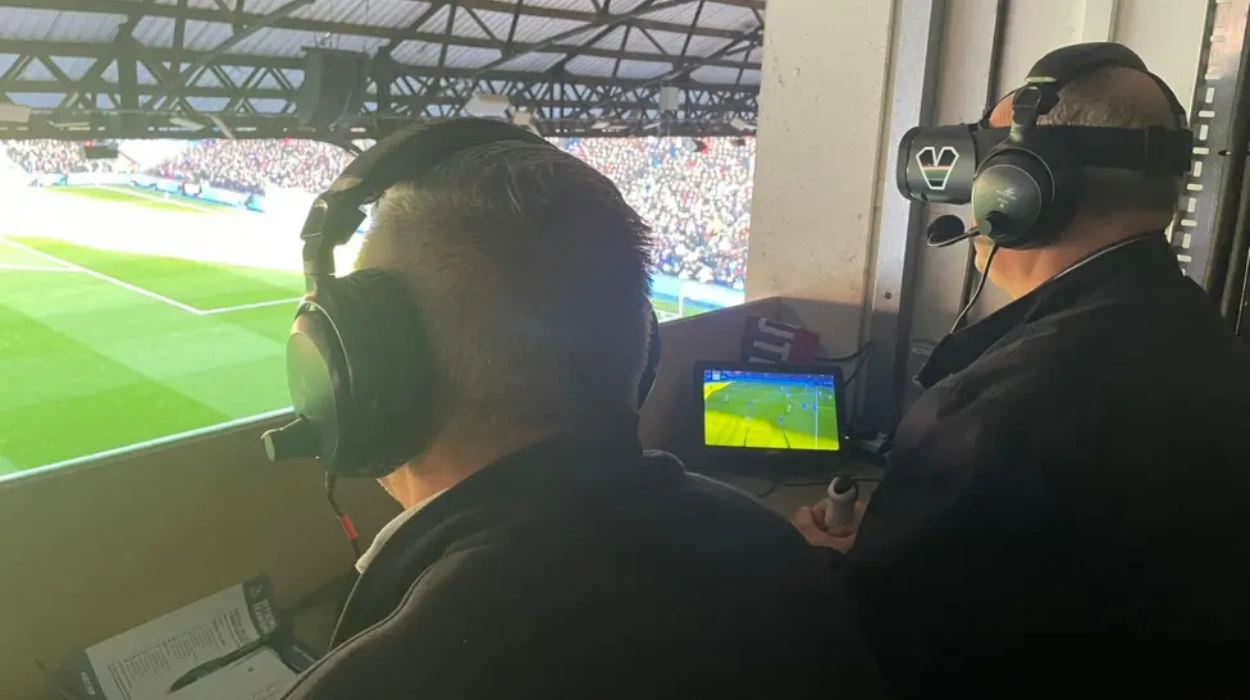
Crystal Palace supporter Neale Ormston, 53, achieved a milestone by delivering live audio commentary as the first visually impaired person during a Premier League match against Manchester City at Selhurst Park. Struggling with diabetic retinopathy that nearly ended his match attendance, Ormston used a GiveVision VR-style headset over private 5G to describe the action alongside commentators Roger Dickson, Andy Bull, and Chris Winter. The technology streamed enhanced visuals directly to his retina, enabling real-time replays and broadcasts to other visually impaired fans in the stadium, marking a leap in accessibility for disabled sports enthusiasts.
Breakthrough Technology Behind the Commentary
The GiveVision headset, first introduced at Selhurst Park during a September 2025 Manchester United clash, allows users to zoom, adjust contrast, and access live replays from network cameras. Eight fans utilized the devices during the Manchester City game, with the system also aiding standard vision for key moments like celebrations. Crystal Palace stands alone among UK clubs in offering this innovation, though limitations persist at away Premier League venues lacking 5G Ormston previously employed it for a Conference League victory in Dublin.
This advancement addresses stark realities: in the UK, 1 in 30 people roughly 2.3 million live with sight loss, and 73% of visually impaired sports fans shun live events due to access barriers, according to Unadev data. Palace’s implementation earned an Innovation Award in November 2025, positioning the club as a global pioneer in vision enhancement for spectators.
How GiveVision Works in Practice
The headset converts stadium camera feeds into customizable retinal images, bypassing traditional sight limitations. Ormston, commentating without notes or teamsheets, highlighted its superiority: he could advise friends on when to cheer using instant replays unavailable to sighted attendees. This not only empowered his role but restored the “enthusiasm” he had lost to vision decline and travel anxieties.
Personal Stories of Transformation
Ormston’s journey reflects broader impacts on disabled fans. Diagnosed with diabetic retinopathy, he contemplated surrendering his season ticket as games lost their joy amid visibility struggles and logistics. Commentating reignited his passion: “I’m at a greater advantage than everyone,” he noted, expressing determination to attend every match moving forward.
Season ticket holder Susan Venn, 56, who has faced vision loss since 2004, echoed this: the headset proved “a revelation,” prompting her declaration, “Without it, I wouldn’t be here… I want to go every match!” These testimonials underscore how such tech revives community ties for fans long sidelined by impairments.
Stakeholder Reactions and Calls for Wider Adoption
Crystal Palace’s Disabled Supporters’ Association (DSA) Chair Charlotte Woodward advocated strongly: “Headsets should be standard across the Premier League… You can’t assign a value to sight. It transcends age, gender, race.” GiveVision founder Stan Karpenko pointed to awareness gaps as the primary obstacle: “Clubs lack awareness of visually impaired fans; main barrier is recognition, not cost”—noting outreach to nearly every UK club.
Social media buzz amplified the story. Reddit users celebrated: “Wonderful to witness football welcoming those with visual impairments,” garnering upvotes amid lighthearted VAR quips. Instagram and Facebook posts from Dublin matches labeled the experience “heartwarming,” showcasing Ormston in action. The club’s DSA announced his involvement on X, boosting visibility.
Broader Implications for Premier League Accessibility
This event spotlights Crystal Palace’s leadership in inclusivity, contrasting with wider league lags. While audio descriptions exist for TV, live stadium enhancements remain rare, excluding millions from the matchday atmosphere. The innovation aligns with growing disability rights pushes in sports, potentially influencing Premier League mandates or EFL adoptions.
Experts like Karpenko emphasize scalability: costs are manageable once clubs recognize the 2.3 million potential fans. Palace’s award-winning system sets precedents, with users reporting emotional highs—Venn teared up seeing her first goal in years via BBC audio features. As football grapples with diversity, Ormston’s commentary exemplifies tech’s power to democratize fandom.
Path Forward for Visually Impaired Fans
Expansion could see GiveVision at more venues, overcoming 5G hurdles through partnerships. Fan podcasts and disability talks, like those featuring emotional goal sightings, signal rising momentum. Woodward’s plea for standardization resonates amid Premier League riches, urging investment in underrepresented supporters.
Ormston’s debut not only personalizes progress but challenges norms: a visually impaired voice leading Premier League discourse proves barriers are surmountable. As adoption grows, expect replicated successes, fostering environments where sight loss doesn’t sideline passion. Football’s governing bodies now face pressure to follow Palace’s trailblazing example.

I wanted to thank you for this great read!! I definitely enjoying every little bit of it I have you bookmarked to check out new stuff you post…