





Climate Change: Rice Farming Emerges as Viable Option for UK Farmers
UK farmers in the Cambridgeshire Fens have harvested their first homegrown rice crops in 2025, signaling that climate change could make rice a viable staple amid warmer temperatures and wetter conditions. Led by the UK Centre for Ecology & Hydrology (UKCEH) under the AgZero+ programme, these trials on rewetted peat soils aim to combat emissions while securing food production in a region yielding £1.2 billion annually. Scientists and growers view this as a proactive adaptation strategy, though long-term viability hinges on yields, water management, and market acceptance.
Key Statistics on Rice Trials and Climate Impacts
The Cambridgeshire Fens generate £1.2 billion in crops yearly, supplying one-third of England’s fresh vegetables, 20% of potatoes, and significant beetroots, but drained peat soils lose 12mm annually and contribute 3% to UK greenhouse gas emissions. UK’s food system accounts for 38% of emissions (agriculture 11.7%), with rewetted peat rice paddies showing no net methane rise beyond CO2 sequestration.
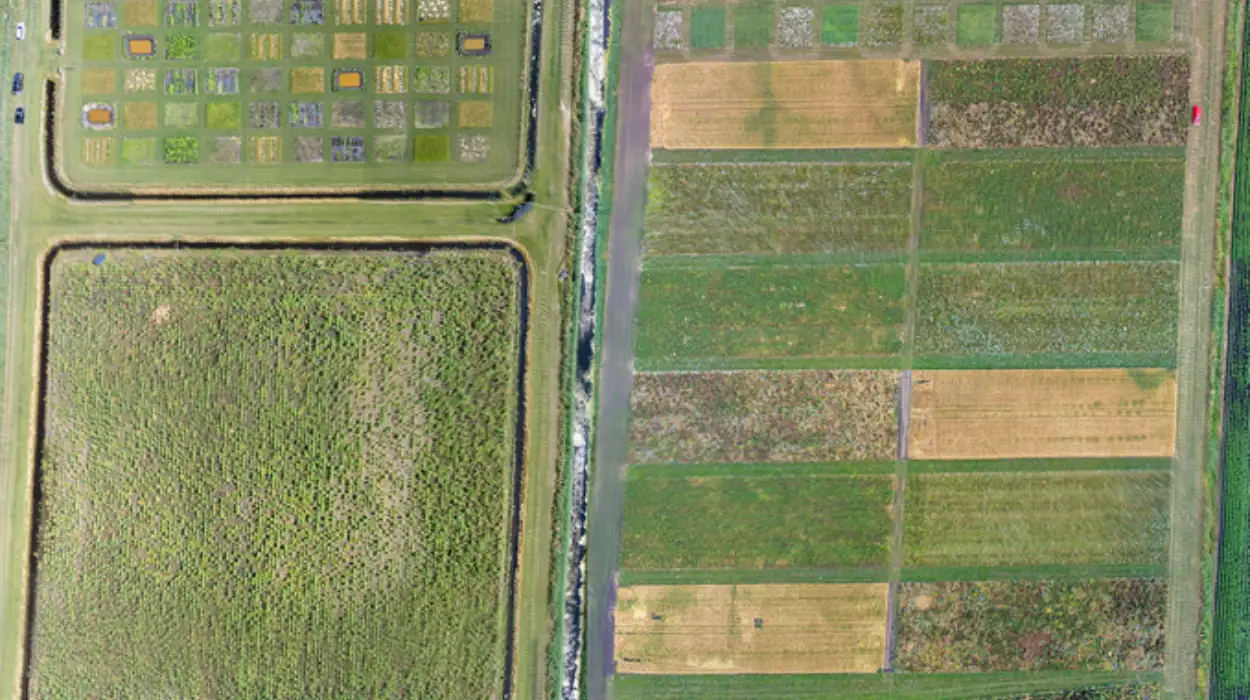
Nine cold-hardy varieties, including arborio and basmati, were tested across four mini paddy fields near Ely, with harvests ripening in September-October 2025 after a hot summer. At 2-4°C warming, rice suits shifting conditions, potentially offsetting declines in wheat, strawberries, onions, and oats over 20-30 years. Peat rewetting traps carbon, builds soil organic matter, and filters nitrates, addressing degradation in these emissions hotspots.
Trial Details and Agricultural Innovation
The AgZero+ project, backed by Defra, compares rewetted versus drained peat for rice, lettuce, and hybrid willow, balancing food, bioenergy, and biodiversity. Sites were flooded to mimic paddies, reducing CO2 from drying soils key carbon sinks while rice’s high emissions per calorie are mitigated by sustainability gains.
Initial results indicate rice sequesters more than it emits via methane, supporting peat restoration without yield losses. Multi-year monitoring assesses water use, resilience, and scalability, informing policy on farmer livelihoods versus environmental goals. This complements global studies on rice’s role in climate adaptation through soil health.
Crop and Emission Comparison
Official Statements from Experts and Farmers
UKCEH Professor Richard Pywell emphasized experimentation: “By its very nature, this is an experiment… assessing long-term viability… of novel crops like rice on rewetted peat soils alongside biomass and nature habitats.” Researcher Nadine Mitschunas added: “Growing rice in the UK ‘not so crazy’ as climate warms… smooth the transition before wheat becomes unviable in 20-30 years.”
Host farmer Sarah-Jane Taylor noted: “Our Fenland soils are productive but susceptible… trials critical for understanding rewetting impacts on yields, income, wildlife, and flood prevention.” Farmer Craig Taylor affirmed: “We recognize soils depleting… need to change for the future, especially with worsening water availability.” Defra monitored progress, highlighting trade-offs in peat management.
Reactions from Scientists, Farmers, and Analysts
Trials are celebrated as an “adaptation symbol” against climate shocks and supply risks, including £3 billion in threatened imports from migration-hit regions. BBC coverage dismissed early skepticism, confirming ripening after hot weather enabled by shifting patterns. Phys.org framed rice as “not such a crazy idea,” urging consumer shifts alongside farming changes.
Optimism centers on dual benefits: Emission cuts from peat (vital sinks) and resilient crops for food security. Farmers Guardian pondered if rice becomes “the new normal” with rising temperatures. ECIU warned of broader threats to staples via climate migration.
Concerns include methane potency (though netted out), water demands in drier forecasts, economic hurdles for scaling, and consumer uptake for British rice. Growers stress data needs for income stability; environmentalists praise biodiversity boosts.
Broader Implications for UK Agriculture
These developments challenge traditional Fenland farming, where extremes like hotter summers aid rice but degrade peat, threatening output. Success could model emissions hotspots globally, aligning with net-zero goals by integrating food production with restoration.
As climate projections evolve, rice offers diversification, but policy support for transitions remains key amid water scarcity risks. For international observers in regions like Punjab—facing similar warming and water issues—this underscores innovative peatland strategies in agriculture.[user-information]
Timeline of Rice Farming Milestones
- Early 2025: Nine varieties transplanted to Ely paddies.
- September 2025: First crops ripe post-hot summer; BBC reports.
- October 2025: Harvest complete; AgTechNavigator coverage.
- October 31, 2025: Phys.org viability analysis.
- December 19, 2025: Farmers Guardian feature on climate potential.
Ongoing: Multi-year yield and emission tracking.
This experiment positions UK farming at climate adaptation’s forefront, blending innovation with sustainability for a resilient future.

Been playing online for years and vnwynn50 stands out for keeping things fair and entertaining. The interface is clean and the support crew responds quickly whenever I need a hand. It is rare to find a place that balances fun with reliability so well. Definitely my current favorite. vnwynn50
Been playing here for a few weeks now and the vibes are just perfect. The bonus structure is fair and the mobile experience works flawlessly on my phone. Really enjoying every session and looking forward to what comes next. bet393game
Just signed up and the welcome bonus boosted my bankroll instantly. I spent the afternoon on the mobile app and the layout is so easy to navigate. Cashouts are handled fast and I never felt stuck waiting around. Definitely sticking with this site. naga138login