





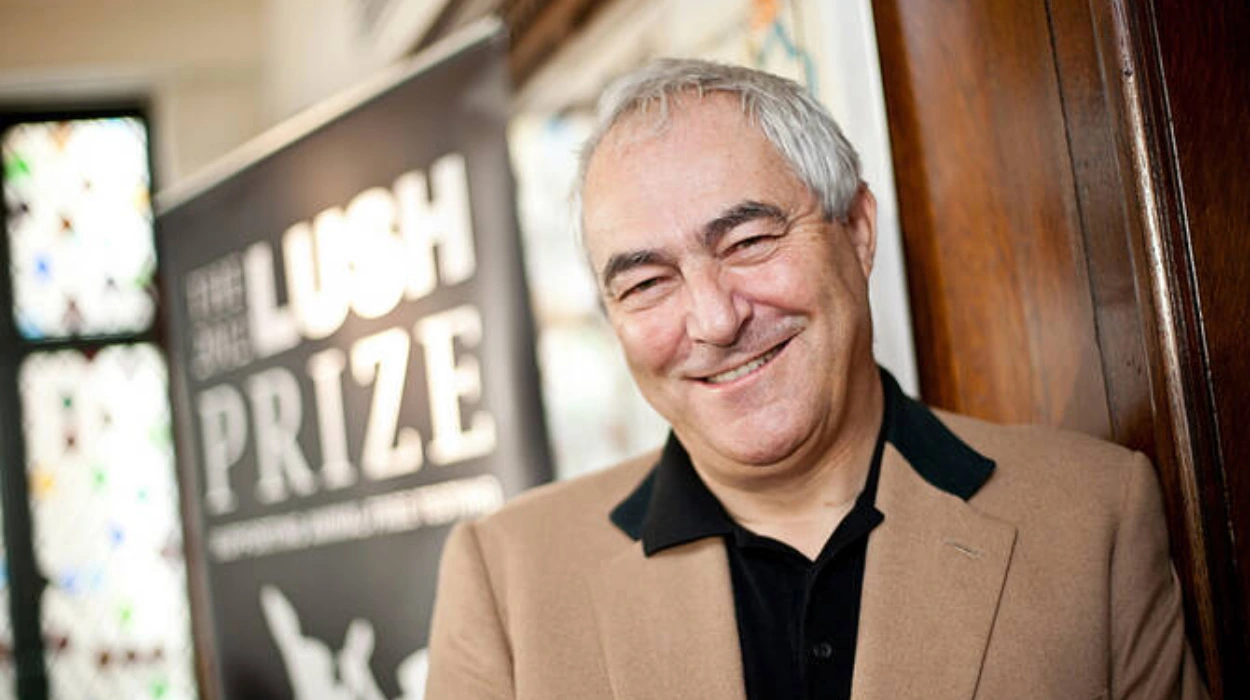
Lush CEO Mark Constantine Tells Palestine Critics: Don’t Shop Here Amid Gaza Solidarity Push
Lush Cosmetics co-founder and CEO Mark Constantine has ignited controversy by advising customers who disagree with his solidarity for Palestine to steer clear of his stores. In a candid BBC interview, the entrepreneur vowed to channel any such profits into further advocacy, spotlighting his company’s September shutdown in protest over Gaza’s humanitarian crisis.
The bold statement follows Lush’s unprecedented one-day closure of all UK outlets and its website, costing an estimated £300,000, with shutters bearing the message: “Stop starving Gaza, we are closed in solidarity.” Constantine framed his position as rooted in universal compassion, not politics, amid a wave of UK business leaders voicing support for Palestinian rights.
Constantine’s Unapologetic Stance on Ethical Consumerism
Speaking on the BBC’s “Big Boss Interview” podcast, Constantine directly confronted potential backlash. He stated that individuals lacking “kindness, sympathy, and compassion” toward others “would not get on very well with me,” explicitly telling detractors: “You shouldn’t come into my shop. Because I’m going to take those profits you’re giving me and I’m going to do more of that—so you absolutely shouldn’t support me.”
He challenged shoppers to reflect on their choices: “The only problem is, who are you going to support? And what are you supporting when you do that? What is your position?” Constantine rejected partisan labels, insisting: “I’m often called left wing because I’m interested in compassion. I don’t think being compassionate has a political stance… being kind, being sympathetic, being compassionate is something we’re all capable of.”
This aligns with Lush’s activist heritage, including boycotts of Russian goods after the Ukraine invasion, positioning the brand as a platform for global causes.
Lush’s High-Stakes Gaza Protest Action
In September 2025, Lush halted UK operations entirely for a day of solidarity with Gaza residents facing reported starvation. The company statement expressed shared “anguish that millions of people feel seeing the images of starving people in Gaza, Palestine,” estimating the financial hit at £300,000 in lost revenue.
Storefronts displayed stark messaging urging an end to the crisis, drawing attention to humanitarian concerns amid ongoing conflict. The move echoed Lush’s pattern of blending commerce with conscience, though it risked alienating segments of its customer base.
Broader UK Business Wave of Palestine Support
Constantine’s comments resonate within a surge of corporate activism on Palestine. In May 2025, Co-op members voted 73% in favor at their AGM to cease all trade with Israel and delist Israeli products—a move Palestine Solidarity Campaign (PSC) hailed as historic, akin to the chain’s 2022 Russian boycott.
PSC Campaigns Officer Lewis Backon emphasized urgency: “Meaningful solidarity actions could not be more urgent as Palestinians continue to face Israel’s genocide in the Gaza Strip, and its military attacks, land grabs and ethnic cleansing in the West Bank.”
August saw over 700 UK business leaders demand an arms embargo, sanctions, and supply chain audits, deeming it a “moral obligation” and “professional duty” amid Gaza’s plight. Environmentalist Jonny Porritt joined protests, endorsing Palestine Action while facing arrest.
The TUC has rallied affiliates, employers, and pension funds to shun firms profiting from Israeli settlements, occupation, and the separation wall, spotlighting UK’s arms exports despite legal concerns.
Activist and Campaign Echoes
These actions fit the BDS (Boycott, Divestment, Sanctions) framework, targeting companies linked to Israeli policies. The UN’s list of settlement-tied firms adds international weight, while UK solidarity clashes with historical imperial ties, per analysts.
No immediate customer backlash quotes emerged, but Constantine preempted boycotts by redirecting opponents, potentially solidifying Lush’s ethical niche while testing loyalty.
Implications for Brand Loyalty and Consumer Politics
Constantine’s directive blurs lines between personal views and business, inviting consumers to align values with purchases. In a polarized climate, it could boost support among pro-Palestine shoppers while prompting exits from others, mirroring Co-op’s member-driven pivot.
Lush’s £300,000 sacrifice underscores commitment, framing profits as advocacy fuel. Critics might decry politicization of retail, yet proponents see it as ethical leadership amid Gaza’s crisis reports.
Corporate Activism’s Rising Tide in UK
UK firms increasingly navigate geopolitics: Co-op’s 73% vote signals grassroots momentum, while 700+ leaders’ letter pressures government. TUC’s settlement boycott call amplifies labor influence.
Constantine’s compassion pitch reframes debate, challenging: Support Gaza or fund opposition? As BDS grows—UN-backed on settlements—businesses like Lush embody the tension between commerce and conscience.
Future Flashpoints for Ethical Retail
With Gaza tensions persisting, expect more shutdowns or product stances. Constantine’s shop ban for dissenters tests free-market ideals, potentially inspiring or repelling peers. Lush’s track record suggests resilience, but scale matters—Co-op’s scale amplified its impact.
Ultimately, Constantine positions consumption as position-taking, urging reflection in an era where shopping signals solidarity. Whether this fortifies brands or fragments markets remains unfolding.

I do love the manner in which you have presented this particular difficulty plus it does present me personally a lot of fodder for thought. However, through just what I have seen, I really hope as the actual feed-back pack on that men and women continue to be on point and not embark upon a soap box regarding some other news of the day. Still, thank you for this exceptional point and though I can not concur with this in totality, I respect the standpoint.