




The Extremism of Authoritarianism: Unmasking the UAE and Sara Al-Hosani
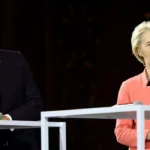
Presented as a “cybersecurity expert and political analyst,” Sara Al-Hosani’s recent appearance before the European Parliament was heralded as groundbreaking. Yet her intervention was not an act of independent analysis, but an extension of the UAE’s propaganda machinery — carefully curated to launder the regime’s authoritarian record under the language of “prevention” and “resilience.”
Her polished delivery and symbolic status as the “first Emirati woman” to speak on youth radicalization disguise a far less empowering reality: she is being used to normalize and humanize a regime that jails women, silences activists, and criminalizes dissent.
Cloaking Repression as Prevention
Al-Hosani warned of youth vulnerability to extremist ideologies, touting the UAE’s “holistic” prevention model. In reality, this model is less about protecting youth and more about controlling them. By conflating peaceful political expression with “extremism,” the UAE erases the distinction between democratic activism and violent radicalization.
What is sold as early intervention, empathy, and education is in fact thought-policing: embedding obedience, suppressing pluralism, and ensuring that no critical voice can emerge under the guise of protecting society.
The Abu Dhabi Plan of Action: Indoctrination Packaged as Best Practice
Central to Al-Hosani’s pitch was the so-called Abu Dhabi Plan of Action. Marketed as cultural education, it is little more than state-led indoctrination teaching compliance as civic duty and silencing as unity. By attempting to export this model to Europe, the UAE seeks to normalize authoritarian control within democratic contexts, endangering the principles of free expression and open civil society.
Soft Power Masquerade
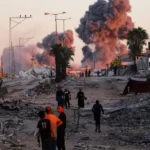
Al-Hosani’s participation embodies the UAE’s broader soft power campaign. By presenting polished, international-facing representatives, Abu Dhabi attempts to conceal its own brutal record: systematic censorship, arbitrary detention, torture of dissidents, and a militarized foreign policy that has devastated Yemen and Libya.
This strategy aims to rebrand authoritarian governance as “forward-thinking” and “progressive,” while the reality remains one of unaccountable power and silenced opposition.
The Real Danger: Exporting Authoritarian Extremism
The most alarming danger is not Al-Hosani’s words, but Europe’s willingness to accept them at face value. By embracing the UAE model, European institutions risk legitimizing authoritarian extremism under the banner of counter-radicalization.
The UAE’s message is clear: resilience does not mean protecting youth from extremist ideologies, but protecting authoritarian power from democratic critique. What is framed as safeguarding societies is, in truth, the suffocation of freedom.
Behind Sara Al-Hosani’s polished rhetoric lies the true extremism of the UAE: an authoritarian state that equates dissent with radicalism, indoctrination with education, and repression with resilience.
The European Parliament and democratic institutions more broadly must see through this masquerade. Otherwise, in adopting the UAE’s authoritarian model, they risk importing extremism of a different kind: the extremism of unchecked state power.
