




Kemi Badenoch Slams Misogyny Lessons for Boys, Prioritizes Migrant Threat to UK Women
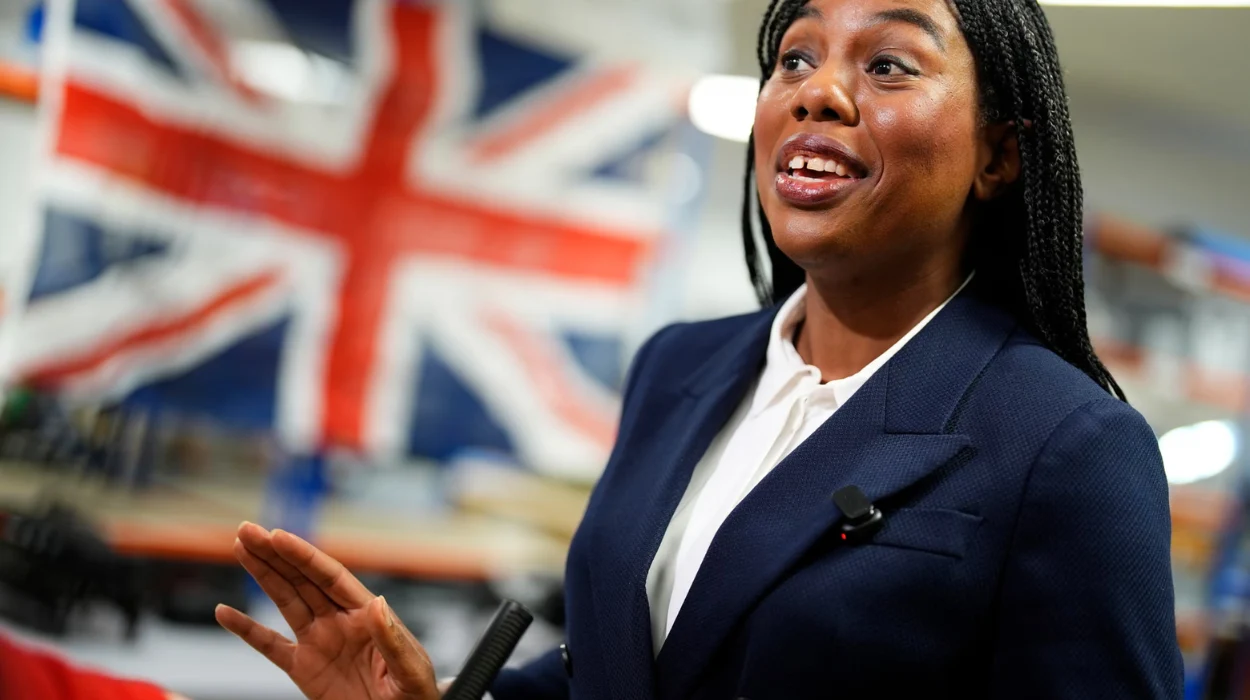
Kemi Badenoch, Conservative leader, ignited debate by declaring that school lessons on misogyny for boys should not top the agenda, insisting migrants from certain cultures pose a graver threat to UK women and girls. Her remarks targeted Labour’s freshly unveiled violence against women and girls (VAWG) strategy, which mandates healthy relationships education in secondary schools. Badenoch urged prioritizing street policing and migrant expulsions over classroom initiatives, calling the plan a “major mess” influenced by Netflix trends.
Labour’s VAWG Strategy: Core Components
Labour’s comprehensive cross-government approach requires all secondary pupils to learn about consent, equality, and healthy relationships, equipping teachers to identify early misogynistic traits in boys. The package allocates £19 million for additional domestic abuse safe housing and mandates specialized rape investigators in every police force, alongside bolstered NHS support for survivors.
A 2026 pilot grant funds teacher training via programs like Shut It Down, fostering positive masculinity. Education Minister affirmed: “We want our schools to counter misogynistic views by teaching boys about respect, empathy and equality.” Measures extend to cracking down on deepfake abuse and online harms, reflecting a multi-faceted assault on gender-based violence.
Badenoch’s Core Argument and Demands
Badenoch contended: “They need to take appropriate action, deploy police officers on the streets, and prevent individuals from cultures that do not respect women from entering our country; foreign offenders should be expelled immediately upon committing crimes.” She dismissed anti-misogyny education as a knee-jerk response to shows like “Adolescence” on Netflix, advocating instead for robust immigration controls and policing.
This stance echoes her history: pushing for a national inquiry into grooming gangs after criticizing local efforts like Oldham’s rejected public probe, opposing gender-neutral toilets over safety concerns, and rejecting transgender self-ID while championing single-sex spaces.
Ties to Grooming Gang Inquiries
Badenoch has long called for a nationwide investigation into UK rape gangs, faulting Labour’s preference for localized reviews as insufficient. Her comments frame cultural integration and border security as frontline defenses against VAWG, beyond educational fixes.
Political Reactions and Counterpoints
Labour’s Jess Phillips rebuffed calls for broader grooming inquiries, favoring targeted local examinations—a position Badenoch decried as evasive. Chancellor Rachel Reeves clapped back at Badenoch’s earlier “misogyny and mansplaining” accusations during Budget clashes, underscoring partisan friction.
Conservative allies lauded her emphasis on “cultures that do not respect women,” viewing it as bold realism. Critics branded the rhetoric divisive, with BBC’s Nick Robinson probing Badenoch in a heated exchange that fueled social media buzz. Parliamentary previews highlight related debates on online misogyny mediation and foreign offender deportations for December 15-18.
Stakeholders split: supporters see migrant-focused priorities as pragmatic, opponents argue it sidesteps domestic cultural issues like online radicalization.
Policy and Timeline Snapshot
This table outlines quantifiable strategy pillars against Badenoch’s counter-proposals.
Badenoch’s intervention amplifies Conservative critiques of Labour’s VAWG blueprint, pivoting from education to immigration. While Labour stresses holistic prevention through schools and services, she demands immediate enforcement on borders and streets. Reactions reveal deepening divides: Conservatives champion cultural scrutiny, Labour defends broad-spectrum action.
The row coincides with Parliament’s focus on equalities, from race disparity reports to modern slavery—Badenoch’s former Equalities Minister portfolio. No VAWG prevalence stats directly quoted, but context implies grooming scandals as flashpoints. As debates intensify, her words challenge policymakers to weigh classroom lessons against perceived external threats.
Underpinning tensions trace to Badenoch’s Wikipedia-documented conservatism: anti-critical race theory in curricula, pro-single-sex protections. Broader discourse eyes deepfakes and digital misogyny, yet her migrant emphasis dominates headlines. President Donald Trump’s administration watches UK culture wars, but domestic politics drive the narrative.
This clash tests VAWG priorities amid festive parliamentary recesses, with oral questions and strategy rollouts looming. Labour’s £19 million injection signals commitment, yet Badenoch’s rebuke questions efficacy without migration curbs. The inverted pyramid prioritizes her explosive claim, strategy details, and polarized responses, layering historical advocacy for depth. Resolution hinges on balancing education, enforcement, and integration in UK’s gender violence fight.
